Object
Item set
Items
-
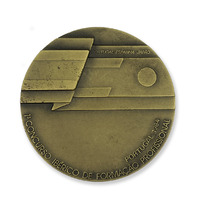 Iberian Skills Competition, 1984 - Medal Iberian Skills Competition, 1984 - Medal
 -
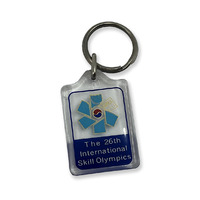 Korean promotinal key chain for the 26th International Skills Olympics, Atlanta 1981 Korean promotinal key chain for the 26th International Skills Olympics, Atlanta 1981
 -
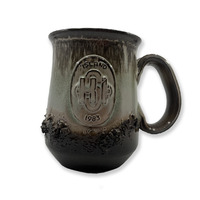 Football Association of Iceland promotional ceramic beer mug Football Association of Iceland promotional ceramic beer mug, 1983 (Icelandic: Knattspyrnusamband Íslands, KSÍ)
 -
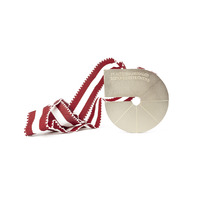 27th International Vocational Training Competition, Linz 1983. Silver medal 27th International Vocational Training Competition, Linz 1983. Silver medal
 -
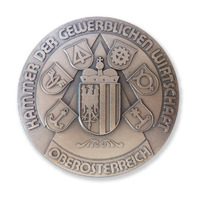 27th International Vocational Training Competition, Linz 1983. Recognition medal to Francisco Albert Vidal 27th International Vocational Training Competition, Linz 1983. Recognition medal to Francisco Albert Vidal
 -
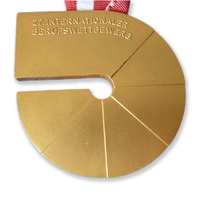 27th International Vocational Training Competition, Linz 1983. Gold medal 27th International Vocational Training Competition, Linz 1983. Gold medal
 -
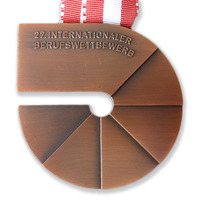 27th International Vocational Training Competition, Linz 1983. Bronze medal 27th International Vocational Training Competition, Linz 1983. Bronze medal
 -
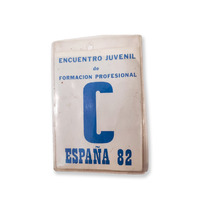 Youth Vocational Skills Competition 1982 - Badge Carlos Jiménez's badge identification as Competitor of Cabinetmaking at the Youth Vocational Skills Competition 1982, A Coruña 1982
 -
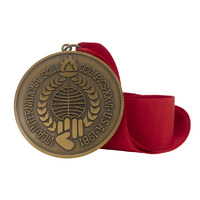 26th International Skill Olympics, Atlanta 1981. Silver medal. Silver medal to M. Kagh inMilling, 26th International Skill Olympics, Atlanta 1981
 -
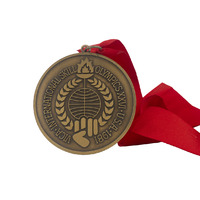 26th International Skill Olympics, Atlanta 1981. Silver medal. Silver medal to Kasian Nipp in Industrial Wiring, 26th International Skill Olympics, Atlanta 198
 -
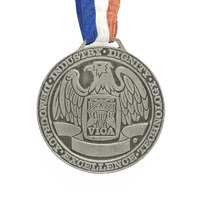 Medal, 1981 Medal, 1981
 -
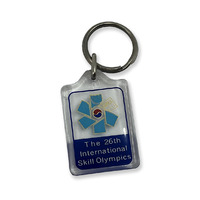 Korean promotinal key chain for the 26th International Skills Olympics, Atlanta 1981 Korean promotinal key chain for the 26th International Skills Olympics, Atlanta 1981
 -
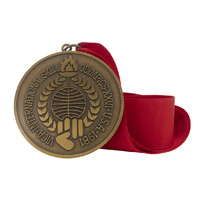 Commemorative medal, Atlanta 1981 Commemorative medal to Francisco Albert Vidal, 26th International Skill Olympics, Atlanta 1981
 -
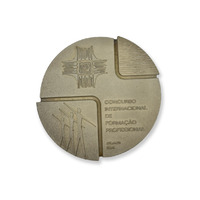 Commemorative medal, 1981 Medal made to commemorate the re-entering of Portugal during the 1981 International Skills Competition held in Atlanta (USA).
 -
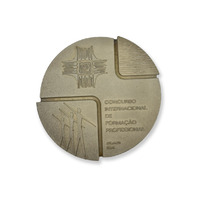 Commemorative medal, 1981 Medal made to commemorate the re-entering of Portugal during the 1981 International Skills Competition held in Atlanta (USA).
 -
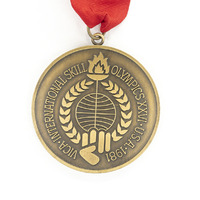 26th International Skill Olympics, Atlanta 1981. Commemorative medal, 1981 Commemorative medal, 1981
 -
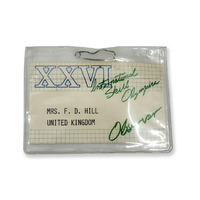 26th International Skill Olympics, Atlanta 1981. Fred Hill's identification badge 26th International Skill Olympics, Atlanta 1981. Fred Hill's identification badge
 -
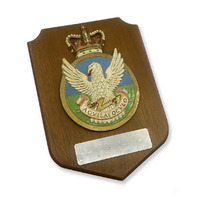 26th International Skill Olympics, Atlanta 1981, commemorative plaque 26th International Skill Olympics, Atlanta 1981, commemorative plaque
 -
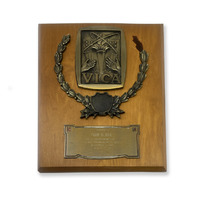 26th International Skill Olympics, Atlanta 1981, commemorative plaque A plaque presented to Fred Hill by VICA (Vocational Industrial Clubs of America), in Atlanta, Georgia in June 1981.
 -
 Order of Civil Merit Mongnyeon pin Order of Civil Merit Mongnyeon pin. It is worn with a medal.
 -
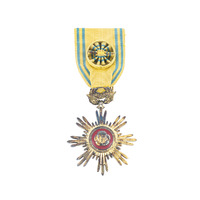 Order of Civil Merit Mongnyeon medal The medal was awarded to Fred Hill by the Republic of Korea in 1979 for his contribution to skills development in Korea. The Mongnyeon medal consists of an eight-pointed star attached to a yellow ribbon. The medal shows signs of deterioration on the back. The honour is given to individuals for "outstanding meritorious services in the area of politics, economy, society, education, art or science in the interest of improving citizens' welfare and promoting national development," according to the Korean Legislation Research Institute. The civil merit medal has five grades. This medal is the fourth grade, as denoted by the two green stripes. It is worn with a pin.
 -
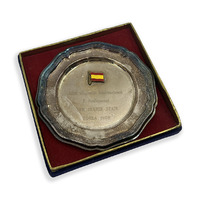 Small silver plate Small silver plate, memento of the Spanish team leader. 24th Youth Skill Olympics, Busan 1978
 -
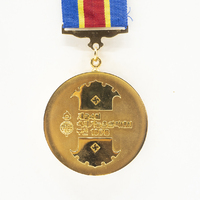 24th Youth Skill Olympics, Busan 1978. Commemorative medal. Commemorative medal, 1978
 -
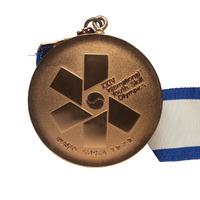 24th International Youth Skill Olympics, Busan 1978. Gold medal Gold medal, 1978
 -
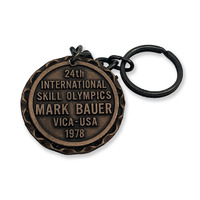 Customized keychain to Mark Bauer (US) Customized key chain to Mark Bauer, competitor from US in Machine drafting skill competition, in Busan 1978